Understanding E-sports Games
Space Invaders is a 1978 shoot ’em up video game developed and published by Taito for arcades. Space Invaders was the earliest large-scale video game competition held by Atari in 1980. It was the first known esports tournament with 10,000 participants across the United States. Nowadays, a lot of people play games for esports. Some games are even published only for the esports side of the sector. But “Why do people play unbalanced games when it comes to esports?”
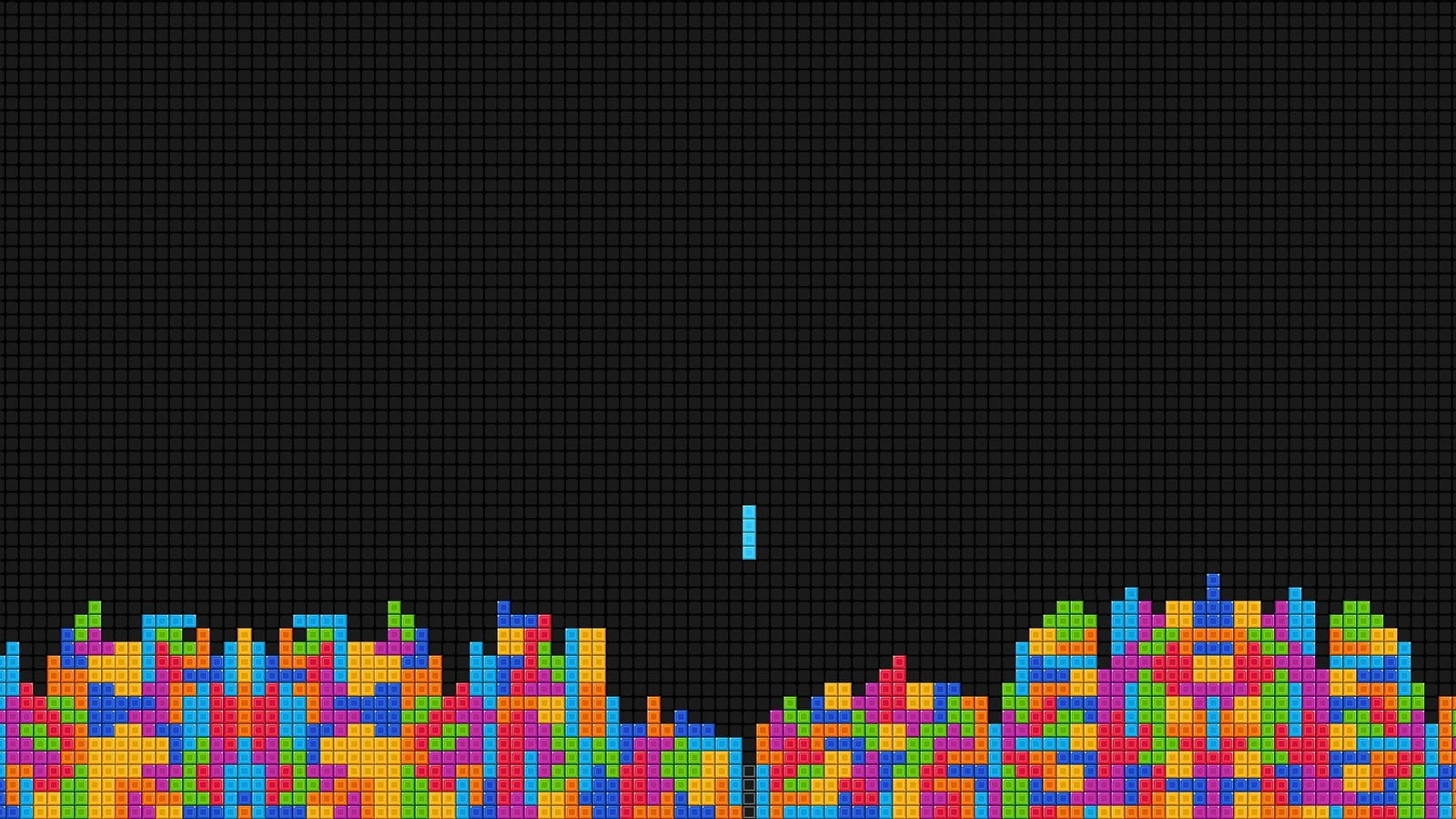
Esports contains a lot of categories in the gaming industry. We are going to talk about 3 of the categories. But I don’t want to ignore the other categories, so I am going to give examples of them now. One of them is Tetris with a puzzle genre. Stay On Basics
Tetris doesn’t have a large community in the esports sector, but it is one of the best examples of how an esports game should be. Everybody understands how the game works and the logic behind it. When you watch The Classic Tetris World Championship (CTWC), you can understand what the pros are trying to do. You don’t need to understand everything; if you just stay on the basics, you can see why the players made that move.“
Understand Good
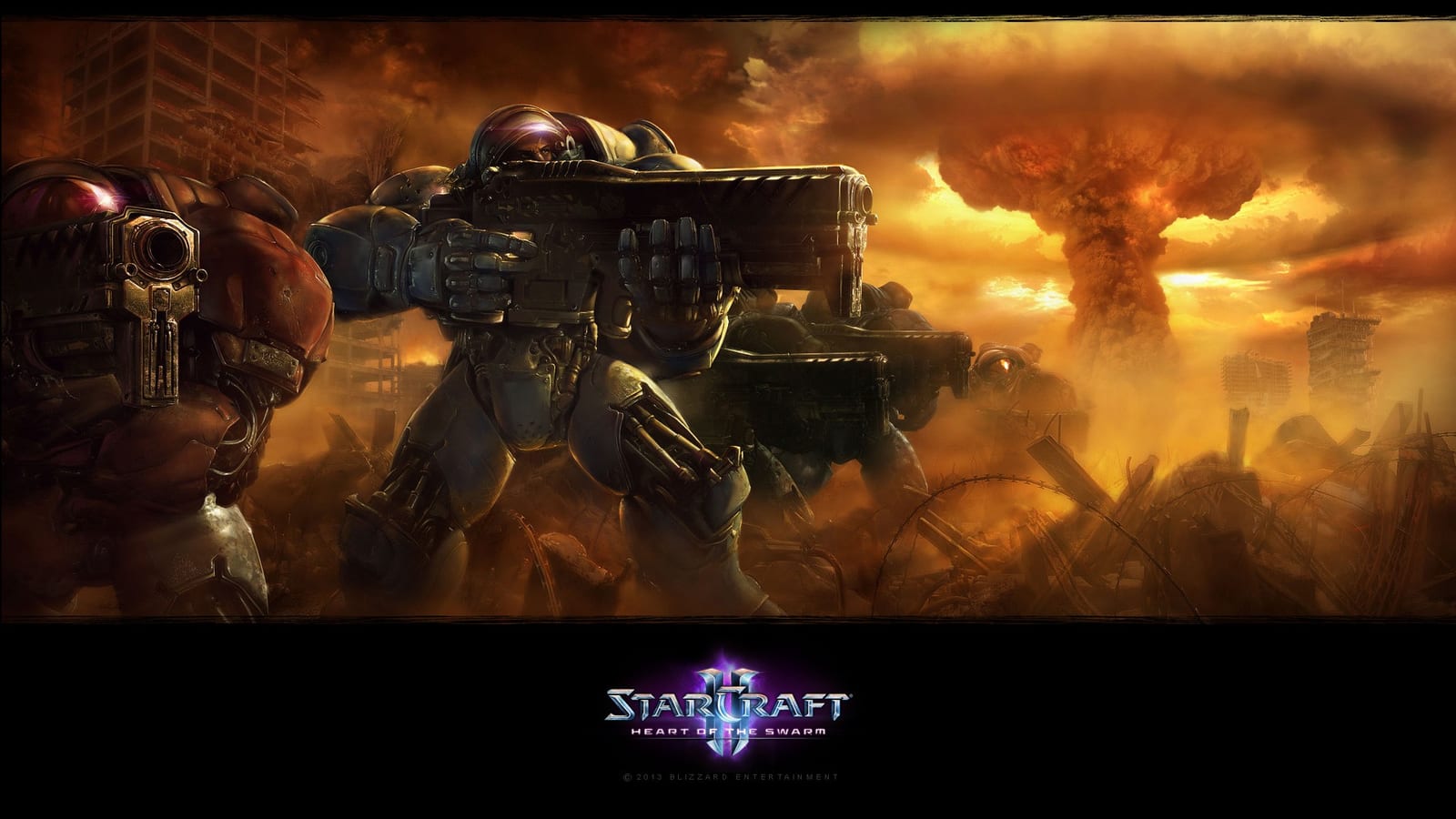
Understanding the game at a deeper level is one of the hardest aspects and can lead a player to a mindset where they need to create complex scenarios. I’m talking about needing to understand and calculate everything. A popular genre that exemplifies this is the Real-Time Strategy (RTS) game, Starcraft. Starcraft has one of the largest RTS esports communities. You can’t just stay on the basics in this game. You need to understand how to play effectively and achieve a strong late-game position. Losing focus for even 10 seconds can mean defeat. Every moment you’re idle, your opponent can gain an advantage.
Feel Good
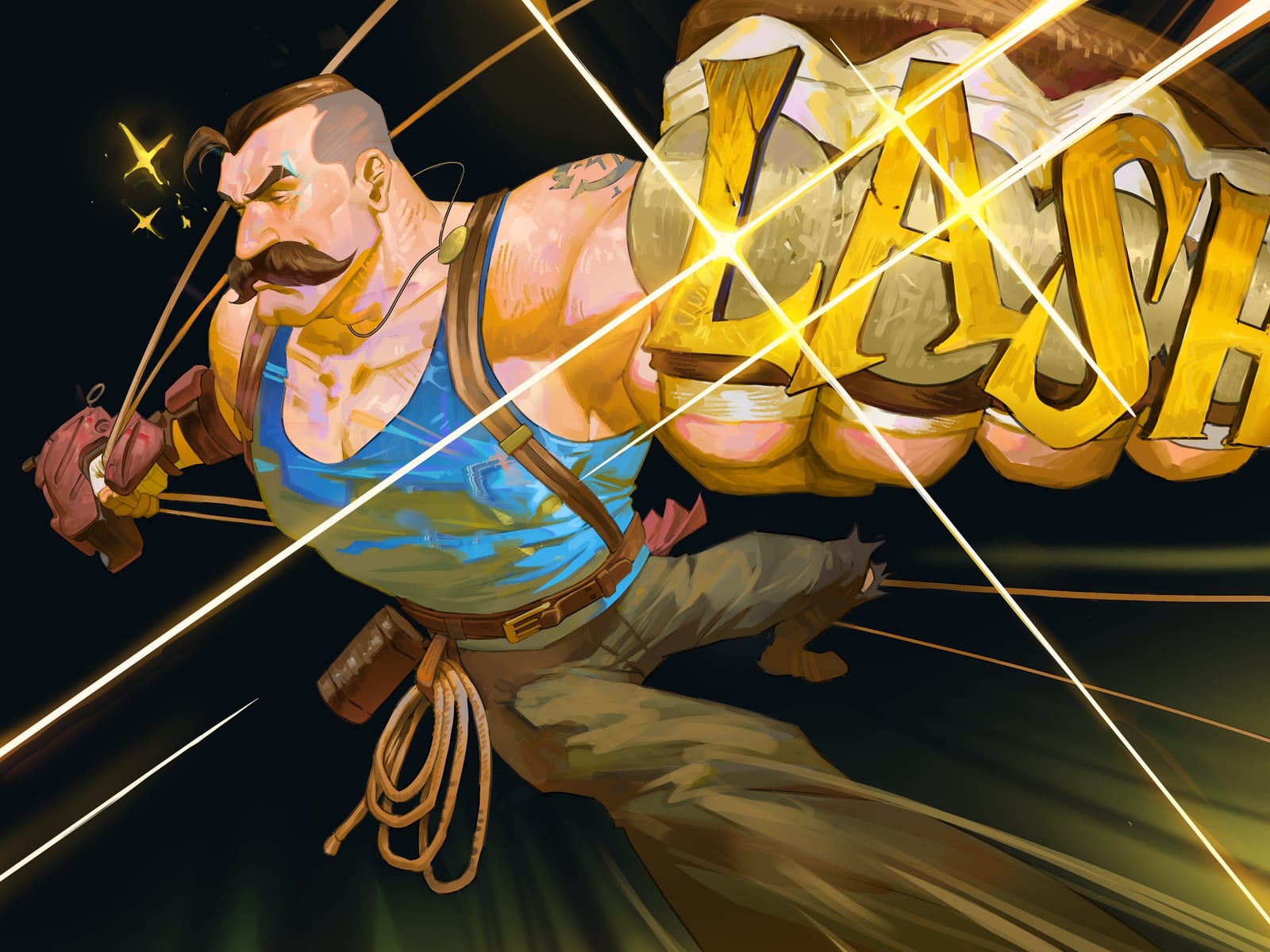
The third and final example is Street Fighter. Yes, this game has had numerous esports tournaments. While we may not know 80% of them, everyone has experienced playing this game in arcades, betting on who would win. It’s not necessarily that hardcore. When you lose a game, it doesn’t matter much, but when you win, you feel good. This is why we play these games. Fighting games are now often casual games played to spend time with friends, though many people still play competitively.
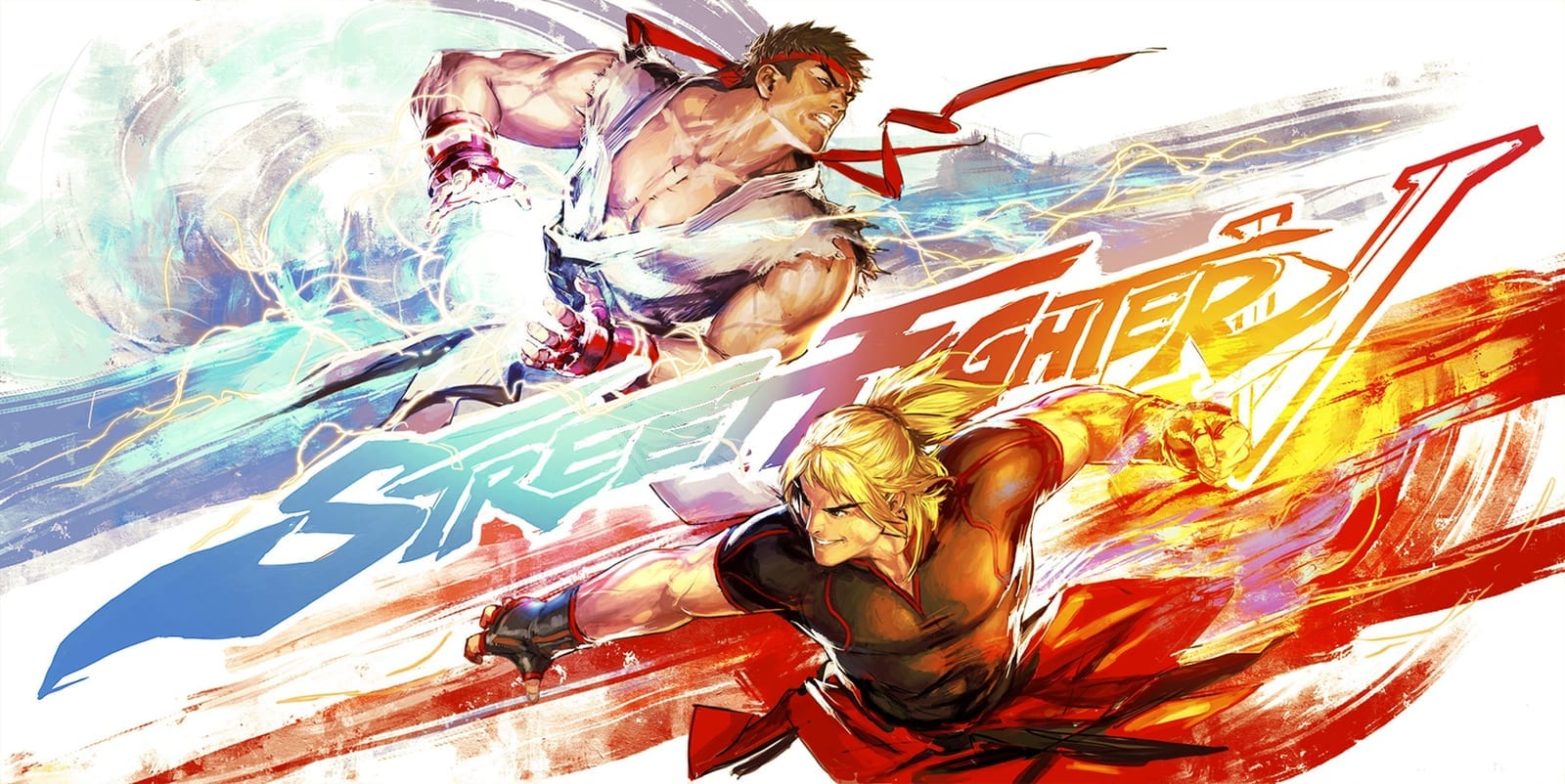
Now we can talk about the big three genres in Esports.
Big Three Genres In Esports
If you’re into gaming, you’ve definitely heard of Battle Royale, MOBA, and FPS shooters. These three major genres dominate the gaming and esports sector. If you want to play Battle Royale, PUBG and Fortnite are the top choices. If you want to play MOBA, League of Legends and Dota are the best options. If you want to play FPS, Counter-Strike 2 and Valorant are the best options for you. These games are the pillars of these genres. However, they’re not perfect. Only one of these games can uphold esports rules. But what are esports rules when we’re talking about games? What’s the logic behind them? If we need to understand the logic behind esports, we need to understand these three genres. Battle Royale
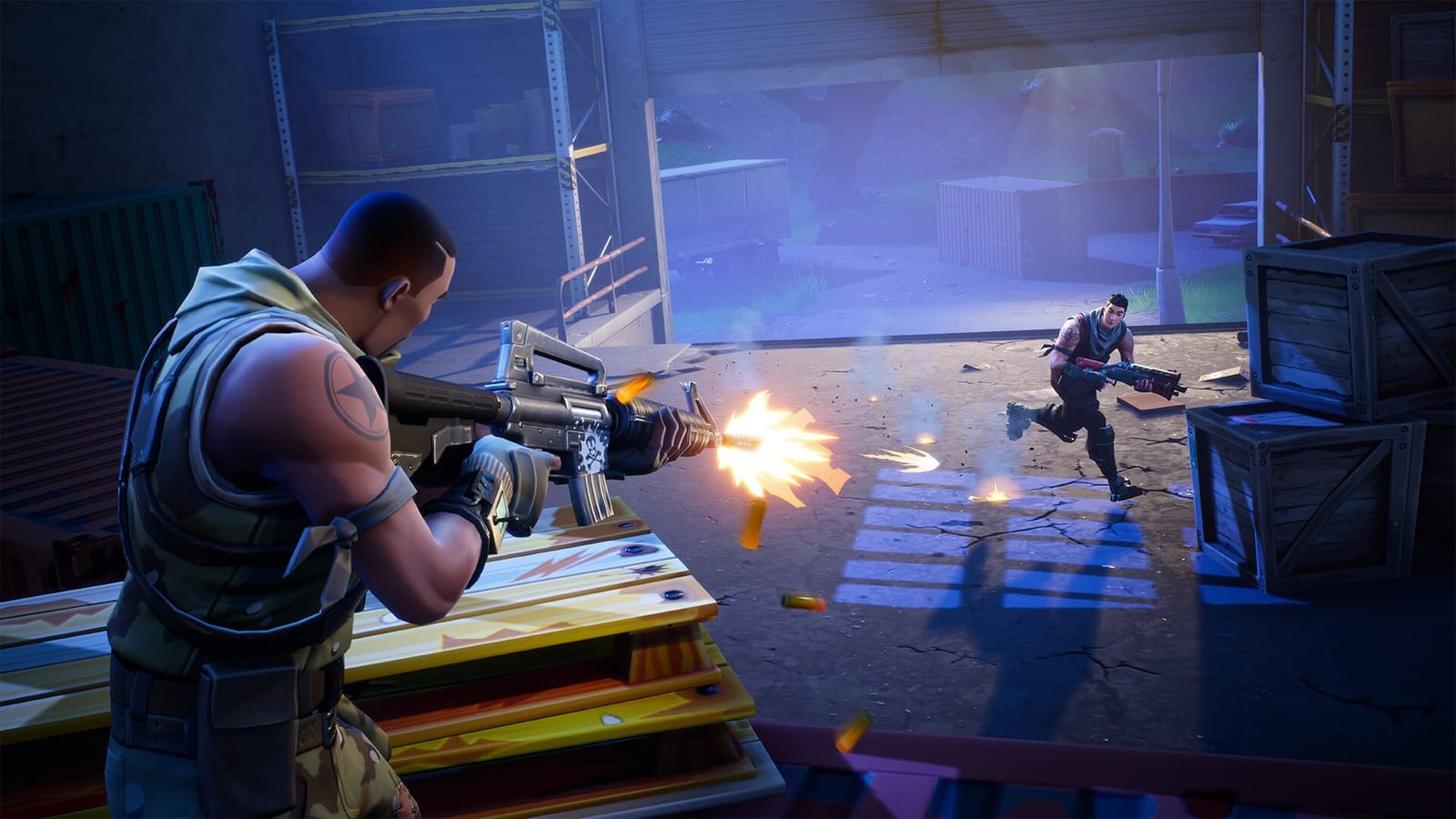
We see the first glimpses of Battle Royale gameplay in games like Minecraft. The core concept of Battle Royale is simple: a group of players are dropped into a defined area, they scavenge for loot, and they fight to be the last survivor. Minecraft’s Hunger Games mode was a pioneering example. While Minecraft wasn’t specifically designed for this mode, it laid the groundwork for the genre’s future. Later, games like Z1 Battle Royale, PUBG, and Fortnite emerged. Today, Fortnite and PUBG Mobile are the leading esports titles in the Battle Royale genre.
However, all Battle Royale games share a fundamental problem that remains unresolved in the context of esports: the reliance on luck. If you’ve played any Battle Royale game, you know how crucial it is to find a weapon in the opening minutes. This creates a significant imbalance in gameplay. If you and your opponent don’t start on equal footing, you’ll inevitably take different paths to victory. If you find the loot you need, you might opt for a passive strategy, camping to accumulate leaderboard points. If you’re unlucky and don’t find a weapon, you’re forced into risky situations to acquire better loot or adopt a stealthy approach to salvage some points. This initial luck-based element is a persistent issue.
Consider a scenario where two equally skilled players face off. Who will emerge victorious? The answer is often straightforward: the player with the better loot will likely win. This inherent randomness undermines competitive integrity, as skill alone doesn’t guarantee success. In a true esport, the impact of random chance should be minimized to ensure that skill is the primary determinant of victory.
MOBA
Aeon of Strife (AoS), the progenitor of the MOBA genre, originated as a custom map in StarCraft, created by Gunner_4_ever. Released by Blizzard Entertainment in 1998, this StarCraft mod, rather than a standalone game, provided the world’s first MOBA experience. Then, in 2003, Dota, a mod for Warcraft III: Reign of Chaos, emerged and became the first MOBA esport. Dota had a significant impact on the gaming sector, and then, in 2009, League of Legends was released, creating another seismic shift. These two games have consistently dominated the MOBA and esports scene. Dota was initially the more popular title, but League of Legends eventually claimed the throne and remains the most popular MOBA game globally. In esports, League of Legends holds the top position worldwide.
However, the question remains: does it truly meet esports balance standards? MOBA gameplay constantly evolves through the introduction of new characters and, crucially, adjustments to existing characters’ power levels. This occurs when certain characters become significantly more powerful than others, creating a meta that players must understand. Newcomers often rely on popular, meta-defined builds to compete against experienced players. This creates a substantial knowledge gap, as the game involves not only characters but also items, monsters, the tower system, and numerous other intricacies. Even for those seeking to improve, mastering the game requires understanding numerous subtle mechanics and coordinating with a team.
So, revisiting the question of competitive balance in MOBAs, considering meta characters, item understanding, and overall game knowledge, who will ultimately win? Is it simply a matter of who has learned more? Not necessarily. In many cases, the player or team with the counter-pick or the most effective meta composition will have a decisive advantage. The constantly shifting meta and the complexity of the game can sometimes overshadow individual skill, making it challenging to maintain consistent competitive integrity.
FPS(First Person Shooter)
The FPS genre holds arguably the greatest potential of all time within the gaming sector. The core concept is simple: acquire a weapon and engage any visible enemy. The first 3D FPS game, Maze War, was developed by Steve Colley, Greg Thompson, and Howard Palmer in 1973. Subsequently, numerous FPS games emerged, each contributing to the genre’s evolution. When considering the history of FPS games, titles like Spasim, Battlezone, MIDI Maze, Doom, Quake, Unreal Tournament, Half-Life, and GoldenEye 007 come to mind. The release of Counter-Strike in the 2000s marked a new era in the gaming sector, significantly impacting the esports landscape. Later, games such as Call of Duty, Halo, Team Fortress 2, CS:GO, Tom Clancy’s Rainbow Six Siege, Overwatch, and Valorant further diversified the genre. Each of these games possesses distinct mechanics and playstyles.
However, our focus is on understanding FPS games within the context of esports. How do we evaluate an esports game? We’ll apply the same fundamental principle: a 1v1 scenario with equally skilled players. I will elaborate on this after we finish this part. We have examined a diverse range of games. For example, in a match between two teams or two players, who will emerge victorious? Some of these games require extensive strategic understanding, while others can be mastered through basic comprehension and consistent practice.
Categorizing these games based on their complexity and skill requirements is a challenging task, as each game has its unique mechanics and gameplay. However, this is precisely the approach we must take when discussing esports. We need to identify the factors that determine competitive balance and skill-based victory.
Same Level All the Time
Having worked as an esports referee for approximately three years, I’ve gained extensive experience and witnessed the inner workings of the sector firsthand. I’ve interacted with numerous esports players and influencers, making it a truly fascinating job. I learned a great deal about esports organization, player management, streaming, and, most importantly, what constitutes an esports game and why people are drawn to them. As discussed in the first section, we’ll now delve deeper into the three genres.
Esports games typically require mastery of two stages:
- Basic Gameplay: The game must possess an intuitive player control scheme. Players should be able to quickly grasp the mechanics, with effective reward systems, satisfying movement, and engaging sound design.
- Game Knowledge: This encompasses a deeper understanding of the game’s complexities, including character abilities, weapon mechanics, opponent strategies, itemization, economy management, and team communication.
These stages must be approached sequentially, starting with basic gameplay and progressing to game knowledge. A solid foundation in basic gameplay facilitates the acquisition of advanced knowledge. If a player encounters difficulties, they can adjust their approach and experiment with different strategies, leading to a more profound understanding of the game. Knowledge acquisition, on the other hand, often requires dedicated study, such as watching replays and analyzing strategies. This contrasts with traditional sports, where physical skills are paramount. In sports like running, swimming, javelin throwing, or bowling, the fundamental rules and techniques must be mastered before advanced skills can be developed. Similarly, in chess, understanding the movement of each piece is essential before studying complex openings.
A common question in the esports sector is, “What is the best esports game?” The answer lies in a game’s ability to provide a clear progression from basic gameplay to advanced knowledge while maintaining an engaging experience. A game that achieves this balance can ascend to the pinnacle of esports. There is a game that I would say would still be uncontested, if the developers didn’t sabotage themselves, but it still is on the top for me. Today, popularity often dictates the “best” esports game. Ironically, without mentioning a specific title, one game embodies this principle, despite its developers’ missteps. This game maintains a massive player base, exceeding millions, despite persistent issues such as cheating and bugs. Players consistently return, drawn to its familiar and enduring gameplay. If you haven’t already guessed, I’m referring to CS:GO, now CS2. CS2, despite its optimization issues, prevalence of cheats, and bugs, retains the core gameplay that players have cherished for years. There is no need to relearn complex mechanics or memorize new character abilities or items. It is the same game at its heart. Conclusion
Esports games are the cult classics of the gaming sector. Without them, the gaming industry wouldn’t be nearly as recognizable. While each has its own systemic issues, there seems to be little appetite for change. I’d like to believe that future games will prioritize fundamental gameplay. However, with titles like Deadlock and Fragpunk, I suspect we’re witnessing a shift away from that basic gameplay era.
I’ve had the chance to play both Deadlock and Fragpunk. I’m currently enjoying Deadlock, but when considering its esports potential, I have reservations. Its basic mechanics are flawed, which is a major drawback. Fragpunk, on the other hand, is just mediocre. I’ve spent over 15 hours playing it. While it boasts solid basic mechanics, some abilities are poorly implemented, failing to perform as described, while others are excessively powerful in certain rounds. It feels largely like a luck-based experience. The Finals, however, is genuinely entertaining for those seeking chaotic gameplay. It captures that particular feel. I didn’t talk about a lot of games here like SMITE, Battlerite, Brawl Stars, Clash Royale, Apex, Titanfall etc. The reason I didn’t talk was because they didn’t come to my mind. I played them a lot of time. But if didn’t emerge in my brain when i was writing this article, i think i am not positive, negative or neutral about this games. I played them a lot but i can’t remember the real turn overs in the games.
To summarize, esports games hold a crucial position in the gaming landscape, despite their inherent flaws. The trend towards more complex mechanics in newer titles presents both opportunities and challenges for the future of competitive gaming.
Have a good day!

-1.jpg)